Last Updated: August 22 2026
What should an Ontario law firm website include for 2026+ SEO and AI-era AEO to generate reliable client intake?
An Ontario legal-sector website should be built as managed digital infrastructure with practice-area and location structure, clear trust and intake pathways, SEO + AEO foundations (clean page hierarchy, metadata, indexing support, schema, and client-intent content), and secure Canadian cloud hosting with ongoing CMS and platform updates so search engines and AI-era answer systems can confidently interpret services and match the right visitor to the right next step. For help setting this up, Marketing.Legal™ can design and manage a legal-focused SaaS website for lawyers, paralegals, clinics, and other legal-sector organizations, and you can call (800) 551-5751 to get a roadmap for building credibility, visibility, and inquiry conversion across Ontario.
Add this website to Google Preferred Sources
SaaS Websites for Legal Professionals in the 2026+ Digital Environment
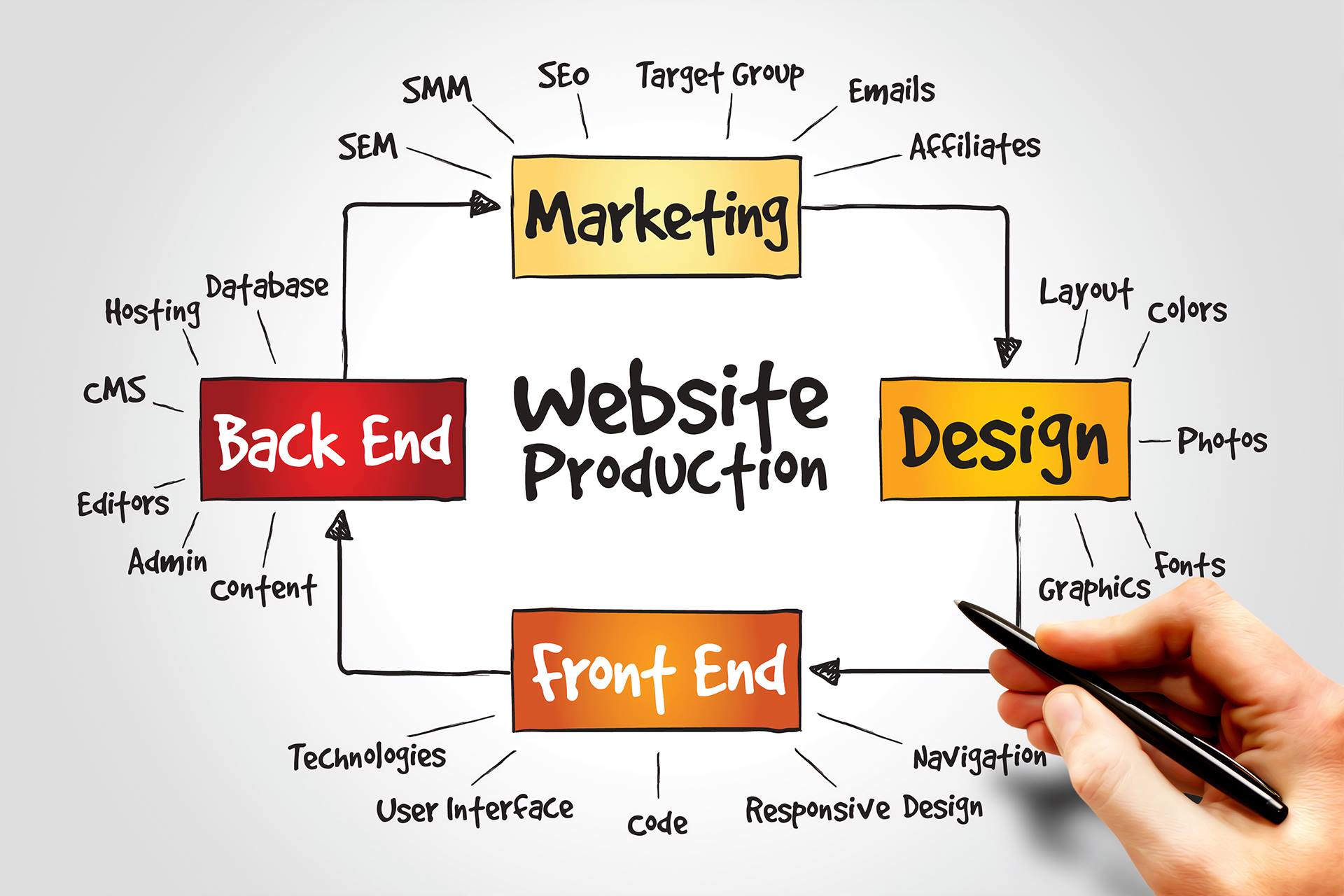 A modern legal-sector website is no longer a static brochure, vanity page, or simple online business card. For legal professionals and legal-sector organizations, the website should function as managed digital infrastructure: supporting credibility, search visibility, AI-era discoverability, referral validation, intake opportunities, and long-term digital equity.
Note: Please contact Marketing.Legal™ by phone at: (800) 551-5751 to discuss any specific questions that you may have.
Marketing.Legal™ provides managed SaaS (Software as a Service) websites designed specifically for the legal sector. Each website is built to support professional presentation, Canadian cloud hosting, CMS access, structured legal content, SEO/AEO foundations, geographic visibility, and ongoing platform improvement.
The objective is not merely to make a website look attractive. The objective is to build a digital asset that helps the right people find, understand, trust, and contact the right legal professional or organization when legal help is needed.
From Website Design to Legal-Sector Digital Infrastructure
Traditional website design often focuses on appearance first: colours, images, layouts, and a few service pages. These elements still matter, but they are only part of the larger picture. In the current search environment, a legal website must also be structured for discoverability, topical authority, local relevance, conversion pathways, and machine-readable clarity.
Prospective clients, referral sources, and search systems evaluate a legal professional long before a consultation begins. They may encounter the practice through Google results, AI-generated answers, map listings, social links, shared pages, directories, referral searches, or long-tail legal questions. The website must therefore support both human trust and technical interpretation.
- Professional Credibility: The website should immediately communicate seriousness, clarity, trust, and relevance.
- Search Visibility: Pages should be structured to support discovery through service, issue, location, and client-intent searches.
- AEO Readiness: Content should help answer engines and AI-influenced search systems interpret the practice’s services and relevance.
- Referral Validation: When someone searches after receiving a name, the website should confirm confidence rather than create doubt.
- Digital Equity: Strong content, organic visibility, and topical authority can become part of the practice’s long-term business value.
Built for Legal Professionals and Legal-Sector Organizations
Marketing.Legal™ is not a generic small-business website provider. The platform is built for lawyers, paralegals, legal clinics, mediators, associations, consultants, process servers, notaries, and other legal-sector organizations that require credibility, clarity, compliance awareness, and professional trust.
Legal-sector websites require different thinking than ordinary consumer websites. The content must respect legal complexity, avoid misleading simplicity, support appropriate professional contact, and present services in a way that helps the public understand when qualified assistance may be needed.
- Practice-Area Structure: Services are organized around the legal issues and practical concerns prospective clients actually search for.
- Geographic Relevance: Website architecture can support local, regional, and city-based visibility.
- Professional Presentation: Design, language, imagery, biographies, and calls to action should reflect the seriousness of legal services.
- Content Depth: Pages should provide useful information without pretending that complex legal issues have simple one-size-fits-all answers.
- Trust Pathways: Visitors should be able to understand the provider, the services, the market served, and the next step toward contact.
Website Development With SEO and AEO Built In
A website should not be designed first and optimized later as an afterthought. For legal professionals, search visibility, content structure, and answer-engine readiness should be part of the website’s foundation from the beginning.
Marketing.Legal™ builds legal-sector websites with SEO and AEO considerations integrated into the platform structure. This includes page hierarchy, metadata, schema data, sitemap support, mobile-ready presentation, analytics integration, internal linking, practice-area organization, geographic targeting, and client-intent content planning.
- SEO Foundations: Technical structure, page organization, metadata, indexing support, and search-friendly content architecture.
- AEO Foundations: Structured explanations, practical questions, useful summaries, and content that supports AI-era discoverability.
- Local Search Support: City, region, and service-area structures that support geographic relevance.
- Client-Intent Content: Pages built around what prospective clients ask, worry about, compare, and need to understand.
- Topical Authority: Content depth designed to help the website become more relevant for the services and issues that matter to the practice.
Managed SaaS, Not a One-Time Static Website
Marketing.Legal™ operates as a managed SaaS platform, meaning the website is part of an ongoing system rather than a one-time static build. The monthly platform fee supports the infrastructure and services that keep the website active, managed, secure, searchable, and capable of growth.
This approach reduces the need for disconnected vendors handling design, hosting, CMS tools, SEO, technical maintenance, content systems, security, and AI-search readiness separately. Instead, these elements are brought together through a focused legal-sector platform model.
- Canadian Cloud Hosting: Secure hosting infrastructure with SSL/HTTPS support and platform stability.
- Managed CMS Access: Website content tools, publishing functions, administrative controls, and ongoing CMS operation.
- Ongoing Platform Improvements: Centralized technical updates, security support, content-system development, and continuing refinement.
- Legal-Sector Content Systems: Structured content frameworks designed around legal services, issues, locations, and public search behaviour.
- Ecosystem Participation: Connection to a broader legal-sector digital environment designed to strengthen visibility, credibility, and growth.
Design That Supports Trust and Intake
Good design is not decoration. In the legal sector, design should support trust, readability, navigation, service clarity, accessibility, and contact behaviour. A visually attractive website that fails to explain services, guide visitors, or support credibility is not doing its job.
Marketing.Legal™ designs websites to help visitors understand who the provider is, what help may be available, which services are offered, where those services are available, and how to make contact. The design should reduce uncertainty and help move the visitor from research to action.
- Clear Service Pathways: Visitors should be able to find relevant services without confusion.
- Readable Content: Legal information should be presented in a way that is useful, organized, and approachable.
- Mobile-Ready Experience: The website should work effectively for users searching from phones, tablets, and desktop devices.
- Credibility Signals: Professional imagery, biographies, service clarity, and structured content help reinforce trust.
- Contact Momentum: Calls to action should help interested visitors take the next step without friction.
Building Digital Equity Over Time
A strong legal-sector website can become part of the practice’s business asset base. When the website earns organic visibility, builds topical authority, supports referral validation, and helps convert public interest into inquiries, it contributes to long-term digital equity.
This value is not created by a thin website with a few service bullets. It is built through consistent structure, useful content, local relevance, technical stability, AI-era discoverability, and ongoing platform participation.
For legal professionals and legal-sector organizations, digital equity can support intake, reputation, competitive positioning, expansion, succession planning, and the broader value of the practice or organization.
How Marketing.Legal™ Helps
Marketing.Legal™ brings website design, development, hosting, CMS functionality, content architecture, SEO/AEO foundations, geographic visibility, and ongoing SaaS improvement into one managed legal-sector platform.
- Website Strategy: Aligning the website with services, geography, competition, audience intent, and business goals.
- Design and Development: Building professional, responsive websites suited to the credibility expectations of the legal sector.
- Content Architecture: Structuring practice-area, issue-based, geographic, and long-tail content around client-intent discovery.
- SEO/AEO Integration: Supporting traditional search visibility and modern answer-engine discoverability.
- Managed Platform Support: Providing ongoing SaaS infrastructure, CMS access, hosting, maintenance, and platform improvements.
Conclusion
Modern website design for legal professionals is no longer only about how a website looks. It is about whether the website can be found, understood, trusted, and used as part of a broader digital visibility and client-intake system.
Marketing.Legal™ helps legal professionals and legal-sector organizations build managed SaaS websites that support credibility, SEO/AEO performance, local relevance, referral validation, client-intent pathways, and long-term digital equity.
To discuss a stronger legal-sector website for your practice or organization, please contact Marketing.Legal™.