Yes No Share to Facebook
Selling Haunted Houses
Involves Concerns For Lawsuits Alleging Failure of Disclosure
Question: Is a home seller obligated to disclose if the house is haunted?
Answer: While it's unlikely that a claim regarding a haunted house would stand in court, sellers should provide full disclosure to avoid potential legal troubles. Transparency can protect you from stigma-related lawsuits and enhance buyer trust.
Is the Seller of a House Required to Tell the Buyer That the House Is Haunted?
There Are Few Cases Involving Rumoured Haunted Houses; However, It Does Appear That the Manner In Which Rumours Are Spread May Result In Liability For Stating That a House Is Haunted and Thereby Causing a Reduced Property Value.
Understanding the Law Regarding Disclosure Obligations When Selling a House Perceived As Haunted
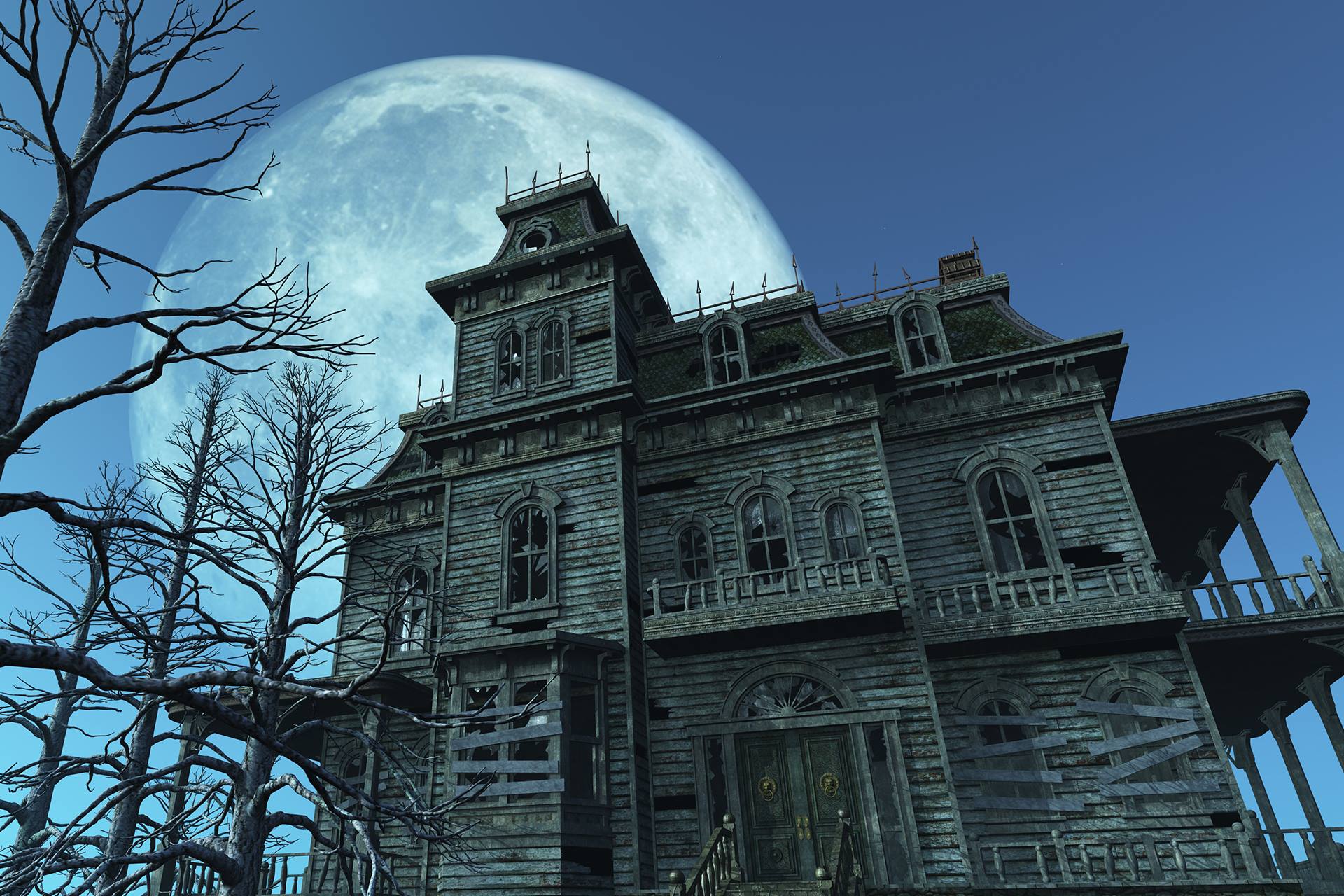 In the case of 1784773 Ontario Inc. v K-W Labour Association et al, 2013 ONSC 5401, a seller was subsequently sued by the buyer when the seller spread rumours that the house was haunted and that such was a detail the seller failed to previously disclose to the buyer. The buyer, concerned that rumours of the haunted status may cause a stigma with resulting harm in the form of reduced property values and the claim sought compensation for failing to disclosure the haunted status during the sales negotiations.
The Law
As for proper disclosure of defects or other concerns during real estate negotiations, a seller is obligated to inform the buyer of any latent defects that may be dangerous or otherwise make the premises unfit for the intended use. This law was established within McGrath v. MacLean et al., 1979 CanLII 1691, and subsequently followed by many cases.
In regards to failing to disclose that a house is haunted, in the 1784773 Ontario Inc. case, it was determined that whereas the haunted house statements were made jokingly and whereas the buyer was unable to provide proof that the house was haunted, the case was dismissed. Accordingly, whether would find a seller liable if evidence of paranormal activity was available remains unknown. In another legal dispute regarding a haunted house, the case of Manitoba Free Press v. Nagy, [1907] S.C.R. 340, was reviewed by the Supreme Court of Canada following allegations of that a newspaper for published an article containing suggestions that a vacant house was haunted.
Summary Comment
Although the likelihood of being sued for spreading rumours that a house is haunted is unlikely, sellers, among others, are best to avoid the risk of a legal hassle by providing full disclosure when selling a property. Subsequently, avoiding the spread of rumours about the property is wise.