Yes No Share to Facebook
Recreational Real Estate:
Professional Legal Help
Question: What are the key legal considerations when purchasing a recreational property in Canada?
Answer: When buying recreational property in Canada, it's crucial to address legal aspects such as environmental compliance, zoning laws, and right-of-ways. Engaging a knowledgeable real estate lawyer aids in navigating these complexities by conducting detailed property surveys, ensuring adherence to provincial and national environmental regulations, and clarifying any existing easements. Professional guidance can help prevent future disputes and enhance your overall investment, providing peace of mind and satisfaction in your recreational property endeavor. Access a free consultation to explore how expert legal advice can streamline your property purchase journey.
Hiring a Real Estate Lawyer for Recreational Property Transactions
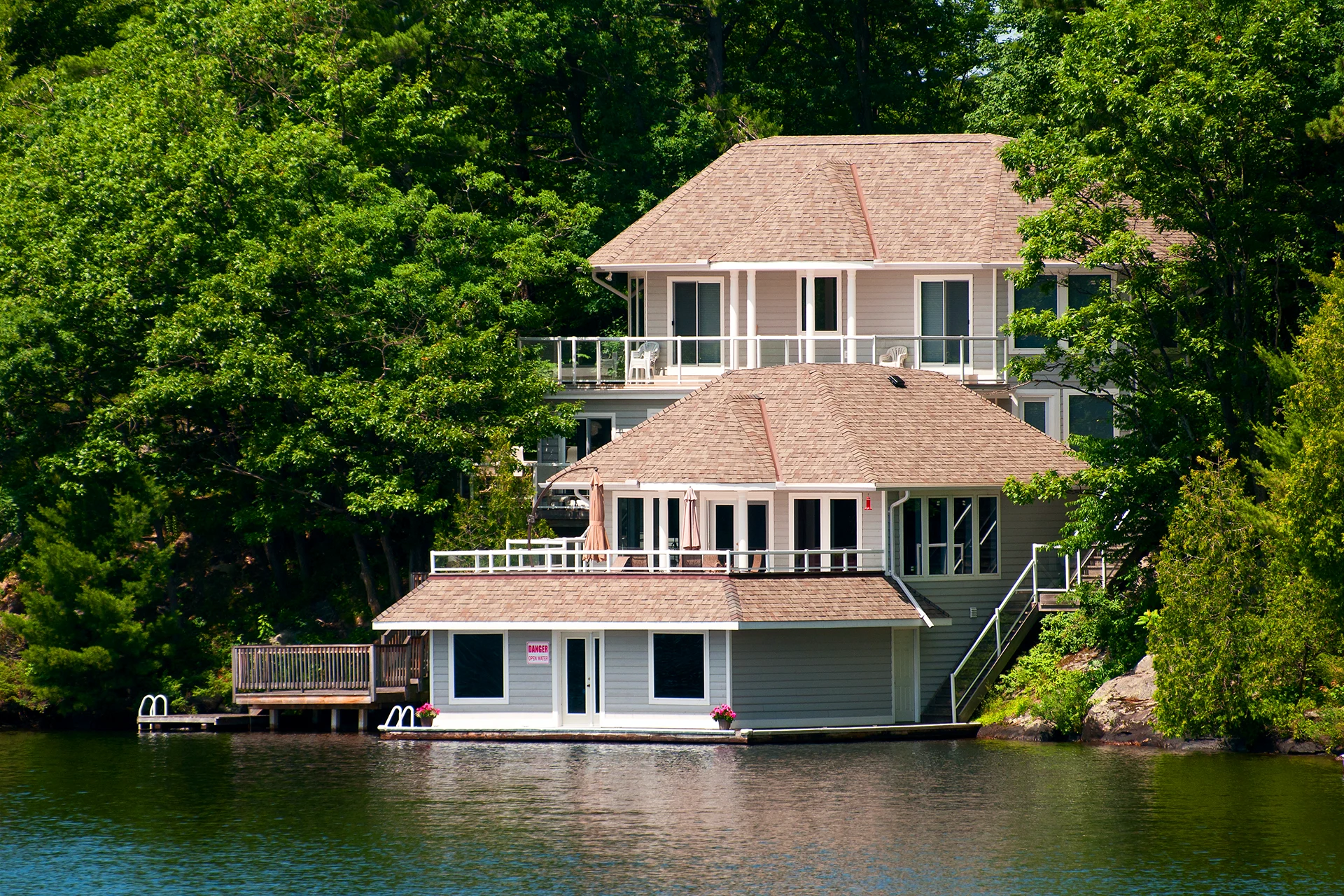 Introduction: Purchasing recreational property whether it's a lakeside cottage, a ski chalet, or a secluded cabin, represents both a significant investment and a dream for many Canadians. However, the legal intricacies involved in recreational real estate transactions can be complex. From reviewing property surveys and ensuring environmental compliance to understanding land use restrictions, navigating these issues requires professional legal assistance.
The Importance of Legal Expertise in Recreational Property Transactions
Recreational properties offer unique challenges compared to residential transactions. The location and nature of these properties often involve additional legal considerations including zoning laws, environmental regulations, and potential right-of-way issues. Understanding these elements is crucial for a smooth transaction and long-term enjoyment of your property.
Main Challenges in Recreational Property Transactions
While owning a recreational property can be highly rewarding, it is also fraught with specific challenges that need to be navigated with caution and expertise.
- Environmental Compliance: Ensuring the property meets national and provincial environmental guidelines can be complex. This includes assessments for protected areas, endangered species, and potential contamination requiring remediation.
- Land Use Restrictions: Zoning laws can significantly impact what you can do with your property. It is essential to understand these laws to avoid any future legal complications.
- Right-of-Ways and Easements: Identifying existing easements or right-of-ways is critical. These could impact your property’s access, development plans, and overall enjoyment.
Detailed Analysis of Recreational Property Legalities
Examining the complexity and legal necessities of recreational properties reveals a range of factors that require careful consideration:
Firstly, property surveys must be meticulously reviewed. These surveys confirm that the physical attributes of the property match its legal description, ensuring no surprises with boundary disputes.
Secondly, land use restrictions can vary widely based on the property's location. Different regions have distinct zoning laws that can affect everything from building permits to the type of activities allowed on the property.
Thirdly, environmental compliance is paramount. Recreational properties often need environmental assessments to determine if they are located in protected areas or have specific ecological concerns. Ignoring these details can lead to significant legal and financial repercussions.
Finally, right-of-ways and easements must be understood thoroughly. These legal nuances dictate how you and others may use portions of the property, often affecting access and enjoyment.
Solutions and Recommendations for Recreational Property Buyers
To address these unique challenges, here are some practical solutions and recommendations:
- Professional Survey Reviews: Engage a qualified lawyer to conduct detailed reviews of property surveys to ensure all boundaries and features match legal descriptions.
- Environmental Assessments: Work with legal professionals who can guide you through the necessary environmental compliance, assess for protected areas or species, and advise on potential remediation.
- Zoning Law Guidance: Obtain legal advice to understand and navigate the zoning laws and land use restrictions specific to the location of your property.
- Right-of-Ways and Easements Identification: A lawyer can help identify any existing right-of-ways or easements, explaining their implications and ensuring they are clearly outlined in the transaction.
- Stakeholder Engagement: Work with your lawyer to coordinate with local authorities and stakeholders, ensuring all permits are secured and any objections are addressed for smooth development or modification plans.
Conclusion
Navigating the purchase of recreational real estate requires a thorough understanding of legal, regulatory, and environmental considerations. Engaging a lawyer skilled in recreational real estate transactions is invaluable for addressing immediate concerns and facilitating long-term planning and compliance. Ensuring environmental compliance, understanding land use, and navigating rights-of-way are just a few areas where professional legal advice can lead to a smoother transaction and more enjoyable property ownership experience.